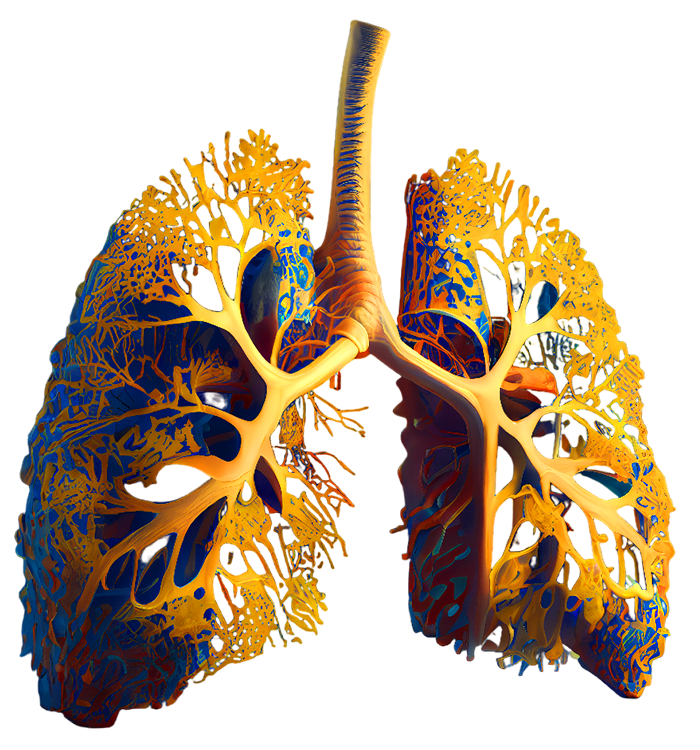
Chronic lung disease is progressive. In conditions such as COPD, emphysema, and pulmonary fibrosis, the airways and lung tissue are gradually remodeled by chronic inflammation, mucus accumulation, and scarring — steadily reducing the lung’s ability to move air and oxygen. Conventional care manages symptoms and slows decline, but it does not repair the underlying tissue.
ACOR offers a different path. Using next-generation regenerative cellular biologics delivered by a simple intravenous infusion, our program is designed to calm inflammation, support the repair of damaged lung tissue, and improve the lung environment — an alternative and complement to a lifetime of symptom management, and, for some patients, to lung transplantation.
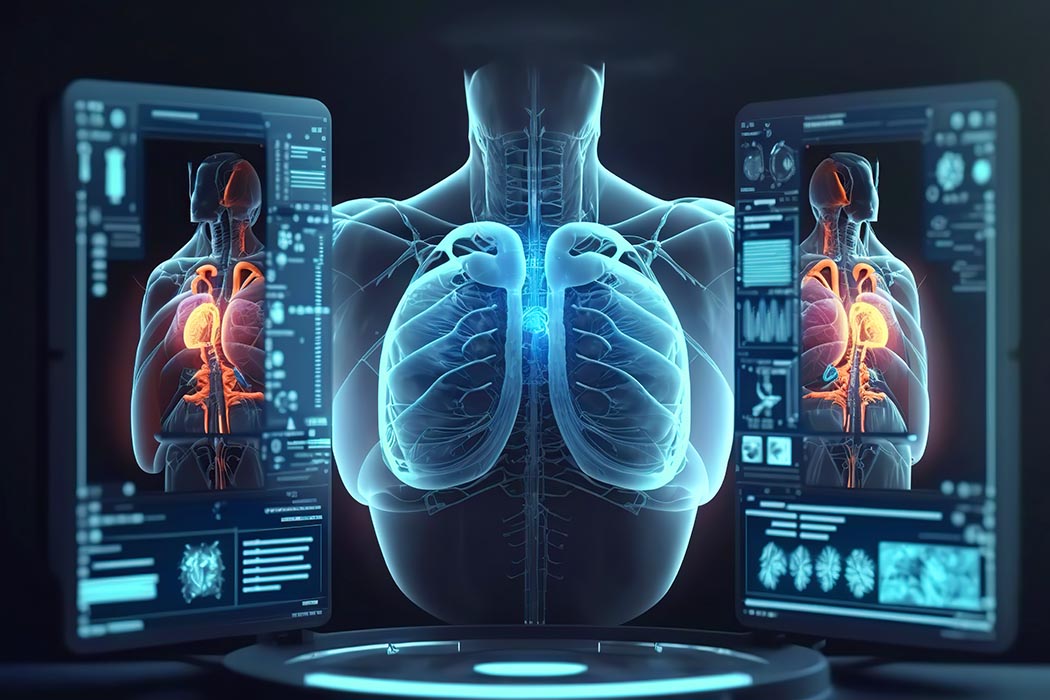
ACOR's regenerative program is built for the full spectrum of chronic and degenerative pulmonary disease, not a single diagnosis:
Cystic fibrosis remains a condition we can evaluate, and the same regenerative principles apply. ACOR’s focus, however, is now the far larger population of patients living with COPD and other chronic pulmonary diseases who have limited regenerative options through conventional medicine.

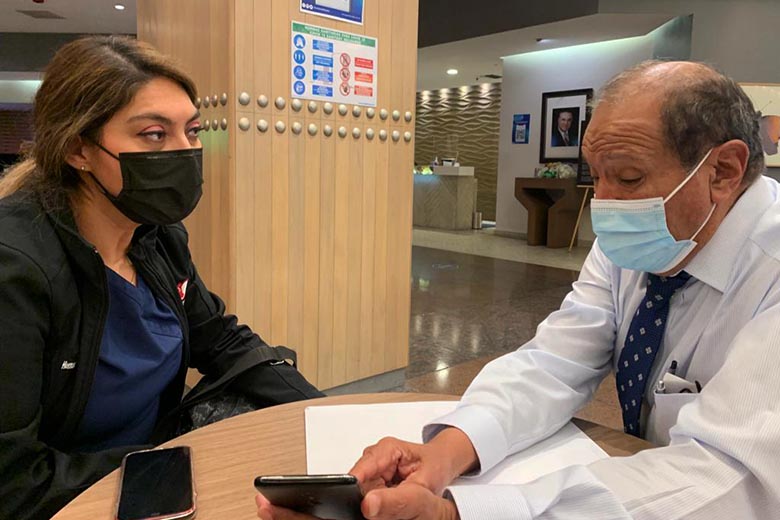
We are ready to help anytime. Let's talk about restoring your life!
ACOR uses a cutting-edge cellular approach, administered through a simple intravenous infusion. Once infused, the cellular biologics travel to the lungs, where injured and inflamed tissue naturally signals for repair. There, they work through several complementary mechanisms:

ACOR specializes in fresh cord blood cellular biologics — among the most vital and potent regenerative sources available:
Because they are immune-privileged and delivered intravenously, these biologics can be administered without surgery and without the need for a donor match.
Conventional care and ACOR regenerative therapy are not mutually exclusive — many patients benefit from combining them. The difference lies in what each is designed to do.
| Conventional Standards of Care | ACOR Regenerative Cellular Therapy |
| Antibiotics to prevent and remedy chest infections | Deliver reparative cells and signals that help replace damaged tissue with healthy tissue |
| Bronchodilators to widen the airways and ease breathing | Support repair and regeneration within mitotic cellular compartments of the airway |
| Mucolytic agents and airway-clearance devices to thin and clear mucus | Help restore bronchial, bronchiolar, and alveolar epithelium |
| Inhaled and oral anti-inflammatory medications (including steroids) | Modulate the immune response to reduce chronic pulmonary inflammation |
| Supplemental oxygen and, in advanced cases, ventilatory support | Encourage secretion of natural antimicrobial peptides (such as LL-37) that help suppress lung infection |
| Pulmonary rehabilitation, nutritional support, and, ultimately, lung transplant evaluation | Aim to slow fibrotic remodeling and improve the lung microenvironment |
Pulmonary rehabilitation is highly recommended after any regenerative treatment. Structured breathing exercises, conditioning, and respiratory therapy help patients make the most of newly supported lung tissue. Rehabilitation can be especially beneficial for patients with severe breathlessness or significant hardening (fibrosis) of the lungs, and ACOR can help coordinate a program suited to each patient’s condition.
In our clinical experience, ACOR’s regenerative cellular therapy has been well tolerated, with no evidence of dose-limiting toxicities, deaths, or other life-threatening adverse events. Regenerative therapy for pulmonary disease is still a relatively new field, and more research is needed to fully determine its long-term efficacy and safety.
Regenerative therapy may not be appropriate for every patient. Those with multiple serious conditions, very late-stage disease, or travel restrictions due to constant oxygen dependence may not qualify for the short treatment protocol. Because chronic lung disease can affect multiple organ systems and varies widely in severity, our pulmonary specialists review each patient’s current medical needs individually to qualify potential candidates. This initial review can be completed easily online.
What conditions does ACOR regenerative therapy address?
Our program focuses on chronic obstructive pulmonary disease (COPD) and a broad range of chronic and progressive lung conditions — including emphysema, chronic bronchitis, pulmonary fibrosis and other interstitial lung diseases, bronchiectasis, and post-infectious or post-viral lung injury. Cystic fibrosis remains one of the conditions we can evaluate, but ACOR now serves the wider population of patients living with degenerative pulmonary disease.
What is regenerative cellular therapy?
It is a cutting-edge approach that uses living cellular biologics — including fresh cord blood mesenchymal stem cells (MSCs) and their exosomes — delivered by a simple intravenous infusion. Rather than only managing symptoms, the goal is to calm inflammation, support the repair of damaged lung tissue, and improve the overall lung environment.
How is the therapy delivered?
Treatment is administered through a simple intravenous (IV) infusion over a short protocol, typically completed within a few days. No surgery is required.
Where is treatment provided?
ACOR provides care across California and Baja California. Because these regenerative protocols are not yet approved in the United States or Canada, the cellular infusion itself is performed at our licensed facility in Baja California.
Is the therapy safe?
Cellular biologics of this type have been well tolerated in clinical experience, with no reported dose-limiting toxicities or life-threatening adverse events in our protocols. Regenerative therapy is still an emerging field, however, and more research is needed to fully establish long-term efficacy and safety. Our specialists review each candidate individually.
Am I a candidate?
Many people with COPD and chronic lung disease qualify. Patients with multiple serious conditions, very advanced disease, or those who cannot travel because of constant oxygen dependence may not be suitable for the short treatment protocol. An initial review can be completed easily online.
How do I begin?
Complete the contact form or call us. A Patient Navigator will reach out to gather your history and explain next steps.
Our team is ready to help you get your life back. Enter your contact information and a Patient Navigator will contact you shortly to discuss whether ACOR regenerative therapy is right for you.